
FAQs About Brake Repair in Dallas, TX

Ken’s Muffler & Brakes • 12 October 2026
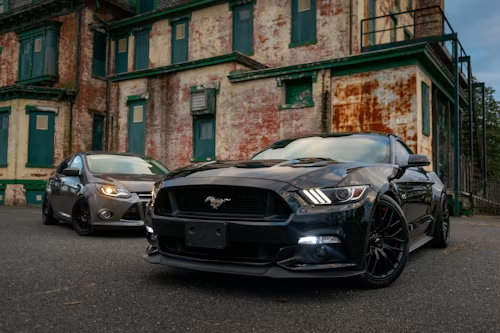
Two black Ford Mustang cars parked in front of an old brick building at dusk

A healthy braking system is essential for maintaining control and stopping safely in everyday traffic and emergency situations. Because brake components experience constant friction and wear, problems can develop gradually before becoming obvious. Understanding common brake repair questions can help you recognize warning signs and know when professional service is necessary. At Ken’s Muffler & Brakes, our local mechanics are happy to answer your questions about brake repair in the greater Dallas area.


How Do I Know If My Brakes Need Repair?

Several warning signs can indicate brake trouble. Squealing or grinding noises, a soft or spongy brake pedal, vibrations while braking, or a vehicle that pulls to one side should all receive professional attention. A brake warning light can also indicate a problem. Even if your vehicle still stops reasonably well, unusual changes in braking performance should not be ignored.


What Causes Brakes to Make Noise?

Brake noises can have several causes. A high-pitched squeal may indicate worn brake pads, while grinding can mean the friction material has worn away and metal components are contacting each other, potentially damaging rotors. Professional inspection can determine the source of the noise.


Why Does My Brake Pedal Feel Soft?

A brake pedal that feels soft or spongy can indicate a problem with the hydraulic braking system. Air in the brake lines, low brake fluid, or a fluid leak are some issues that may affect pedal feel. Because these issues can significantly reduce braking performance, a soft pedal should be inspected promptly. A brake fluid leak poses a major safety risk and means it’ll be best to get towed to the shop.


Should I Drive With Suspected Brake Problems?

Driving with suspected brake problems can be dangerous, particularly when braking performance has noticeably changed. Continuing to drive may worsen the underlying problem and potentially compromise your ability to stop safely.


Where Can I Get Brake Repair in Dallas, TX?

For expert brake repair in Dallas and the surrounding area, contact Ken’s Muffler & Brakes at 214-308-2320. Feel free to give us a call to make an appointment for car care in greater Dallas!
by Ken’s Muffler & Brakes • 14 September 2026
An overheating engine is a problem that should never be ignored. Your vehicle's cooling system is designed to keep engine temperatures within a safe range, but a failure in one of its components can cause heat to build rapidly. Continuing to drive while the engine is overheating can result in serious damage, including problems with the head gasket, cylinder head, or other internal components. Understanding common causes of overheating can help you recognize trouble and seek repairs promptly. At Ken’s Muffler & Brakes, we provide expert cooling system repair in the greater Dallas area. Here are four problems that often lead to an overheating vehicle. Radiator Issues The radiator releases heat from the coolant before the fluid returns to the engine. A radiator that is clogged, damaged, or leaking may not be able to dissipate heat effectively. External debris can also restrict airflow through the radiator, reducing its ability to cool the engine. Radiator problems may become particularly noticeable during heavy traffic. Low Coolant Levels Coolant is responsible for absorbing heat from the engine and carrying it to the radiator. If the coolant level becomes too low, the cooling system may not be able to remove enough heat. Low coolant can result from leaks involving hoses, the radiator, water pump, or other components. If you repeatedly need to add coolant, don't simply continue topping it off. Have the cooling system inspected to identify and repair the source of the coolant loss. Thermostat Failure The thermostat regulates coolant flow between the engine and radiator. When the engine reaches its normal operating temperature, the thermostat opens to allow coolant to circulate through the radiator. If it becomes stuck closed or otherwise malfunctions, coolant circulation can be restricted, causing temperatures to rise. Water Pump Problems The water pump circulates coolant throughout the engine and cooling system. A worn or damaged pump may not move coolant effectively, allowing excessive heat to build up. Water pumps can also develop leaks or problems with their internal components. Unusual noises, coolant loss, and overheating can all indicate a potential water pump issue. Prompt professional diagnosis can help determine whether the pump needs to be replaced. Cooling System Repair in Dallas, TX For expert auto repair in Dallas and the surrounding area, contact Ken’s Muffler & Brakes at  214-308-2320  . Feel free to give us a call to schedule an appointment !
by Ken’s Muffler & Brakes • 10 August 2026
As the miles add up, suspension parts such as shocks, struts, springs, and control arms can wear out due to road conditions and even normal use. Recognizing the warning signs of suspension trouble early can help prevent more serious problems and costlier repairs. At Ken’s Muffler & Brakes, we provide expert suspension repair in the greater Dallas area. Here are five common signs that your vehicle’s suspension system may need repairs. Your Vehicle Rides Roughly One of the most noticeable signs of suspension problems is a rougher ride than usual. If you feel every bump, crack, or dip in the road, your shocks or struts may no longer be absorbing impacts properly. Having your suspension inspected can help identify worn components and restore a smoother ride. The Vehicle Pulls to One Side If your vehicle pulls left or right while driving, it could be a sign of suspension issues. Problems with worn or damaged suspension components can affect wheel alignment and cause uneven handling. A vehicle that does not track straight can make driving more difficult and may create safety concerns, especially at higher speeds. The mechanic can inspect the suspension and alignment to determine the cause. Excessive Bouncing Your vehicle should settle quickly after driving over bumps or dips. If it continues bouncing several times after hitting an uneven area, your shocks or struts may be worn out. Excessive bouncing reduces vehicle stability and can make it harder to maintain control. Replacing damaged suspension components can improve handling. Uneven Tire Wear Appears Suspension problems can affect how your tires make contact with the road, leading to uneven or accelerated tire wear. If you notice bald spots or other uneven tread patterns, the issue may involve suspension components, alignment problems, or both. Ignoring uneven tire wear can shorten the life of your tires and reduce traction. Unusual Noises Clunking, knocking, squeaking, or rattling sounds while driving over bumps may indicate worn suspension parts. These noises can come from damaged bushings, loose components, worn ball joints, or failing shocks and struts. Unusual sounds should not be ignored because they may indicate that a suspension component needs repair or replacement. Suspension Repair in Dallas, TX For expert auto repair in Dallas and the surrounding area, contact Ken’s Muffler & Brakes at  214-308-2320  . Feel free to give us a call to schedule an appointment!
Show More →