
4 Common Check Engine Light Triggers that Should Be Addressed ASAP
Ken’s Muffler & Brakes • 10 July 2025
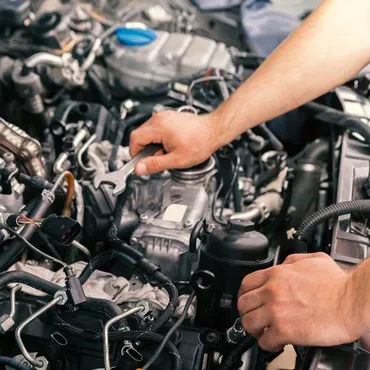
A man is working on a car engine with a wrench.

When your check engine light comes on, it’s easy to ignore—especially if your vehicle still seems to be running fine. However, that glowing warning on your dashboard is your car’s way of telling you that something’s wrong under the hood. While some issues may be minor, others can soon lead to major damage if not addressed in a timely manner. At Ken’s Muffler & Brakes, we provide expert check engine light diagnostics and repair in the greater Dallas area. Here are four common check engine light triggers that should be resolved ASAP.


Faulty Oxygen Sensor

A malfunctioning oxygen sensor is one of the most common reasons the check engine light turns on. This sensor monitors how much unburned oxygen is in the exhaust and helps regulate your engine’s fuel-to-air ratio. When it fails, your engine can run inefficiently, causing poor gas mileage and increased emissions. If left unaddressed, it can also cause issues with your catalytic converter, resulting in a costlier repair.


Failing Catalytic Converter

The catalytic converter is essential for reducing harmful emissions. If it's failing, your vehicle will not only emit more pollutants but also suffer from reduced performance and fuel-economy. This is a problem that requires immediate repair.


Worn Spark Plugs or Ignition Coils

Spark plugs and ignition coils work together to ignite the air-fuel mixture in the engine cylinders. If either begins to fail, your engine can misfire, leading to rough idling, reduced power, and poor acceleration. Ignoring this issue can result in further engine trouble, and it should be diagnosed as soon as possible.


Mass Airflow Sensor Issues

The mass airflow (MAF) sensor measures the amount of air entering the engine and helps determine the proper fuel delivery. When it fails, your car may experience stalling, hesitation, and poor fuel-economy. This component is critical to engine performance, and a faulty MAF sensor can lead to worsening car trouble if not promptly resolved.


Check Engine Light Diagnostics & Repair in Dallas, TX

For auto repair in Dallas and the surrounding area, contact Ken’s Muffler & Brakes at 214-308-2320. Feel free to give us a call to schedule an appointment!

by Ken’s Muffler & Brakes 6 January 2026
Your vehicle’s brakes are one of its most critical safety systems, allowing you to slow down and stop with control and confidence. Because brake components wear down over time, problems can develop gradually and often go unnoticed at first. Recognizing the common warning signs of a brake problem can help you take action early, preventing dangerous situations and more expensive repairs. At Ken’s Muffler & Brakes, we provide expert brake repair in the greater Dallas area. Here are four common warning signs of brake trouble. Squealing or Grinding Noises One of the most noticeable signs of brake trouble is unusual noise when you press the brake pedal. A high-pitched squealing sound often indicates worn brake pads, many of which are designed to emit noise as a warning. Grinding noises are more serious and usually mean the brake pads are completely worn, potentially leading to serious rotor damage if not addressed promptly. Soft Brake Pedal A brake pedal that feels soft, spongy, or less responsive than usual is a clear warning sign. This condition often points to air in the brake lines, low brake fluid, or a hydraulic system issue. Any loss of firmness in the brake pedal should be addressed immediately, as it can significantly reduce stopping power. If your vehicle has a brake fluid leak, then you’re dealing with a major safety hazard and should get towed to the shop. Brake Warning Light The brake warning light on your dashboard is designed to alert you to potential issues within the braking system. It may indicate low brake fluid, worn components, or another system malfunction. Ignoring this warning can allow minor problems to escalate into major safety concerns. Vibrations When Braking If you feel vibrations while braking, it may be a sign of warped or uneven brake rotors. This issue can occur due to excessive heat buildup. Vibrations can reduce braking smoothness and control, making it harder to stop the vehicle safely, especially at higher speeds. Brake Repair in Dallas, TX For auto repair in Dallas, TX and the surrounding area, contact Ken’s Muffler & Brakes at  214-308-2320  . Feel free to give us a call to schedule an appointment!

by Ken’s Muffler & Brakes 8 December 2025
Your car’s shocks play a vital role in keeping your ride smooth, stable, and safe. They help absorb bumps, maintain tire contact with the road, and support proper handling. When shocks begin to fail, the effects can quickly impact comfort and safety. At Ken’s Muffler & Brakes, we provide expert suspension repair in the greater Dallas area. Here are five warning signs that your shocks should be replaced now Your Ride Feels Excessively Bouncy One of the most common symptoms of worn-out shocks is a bouncy or unstable ride. If your car continues to bounce after going over a bump, it’s a sign that the shocks are no longer effectively absorbing impact. This excessive movement makes the vehicle feel less controlled. The Front End Dives When Braking Worn shocks can cause the front of your car to lurch forward when you press the brake pedal. This forward “nose dive” happens because the shocks are no longer keeping the car level during deceleration. Not only is this uncomfortable, but it also increases stopping distance, which can be dangerous in emergency situations. You Notice Uneven or Rapid Tire Wear Shocks help keep your tires firmly planted on the road. When they fail, the tires can bounce excessively, causing uneven patches of wear on the tread. These unusual wear marks are a strong indication that the wheels aren’t maintaining proper road contact. This not only shortens the life of your tires, but also reduces traction and control. Your Car Sways or Leans in Turns If your vehicle feels like it sways, leans excessively, or struggles to stay stable when turning, the shocks may no longer be providing adequate support. This instability is especially noticeable at higher speeds or on winding roads. Healthy shocks keep your car planted and level through curves. Once they weaken, the extra body roll increases the risk of losing control, making this a critical sign that replacement may be necessary. Fluid Is Leaking From the Shocks Shocks contain hydraulic fluid that allows them to absorb energy and dampen movement. If you notice oily residue or visible leakage on the shock, the internal seals have likely failed. Without fluid, the shocks cannot function properly. Suspension Repair in Dallas, TX For expert auto repair in Dallas, TX and the surrounding area, contact Ken’s Muffler & Brakes at  214-308-2320  . Feel free to give us a call to schedule an appointment for car care in greater Dallas!
Show More →