
Why a Pre-Trip Car Inspection Is Essential Before a Road Trip
Ken’s Muffler & Brakes • 6 June 2025
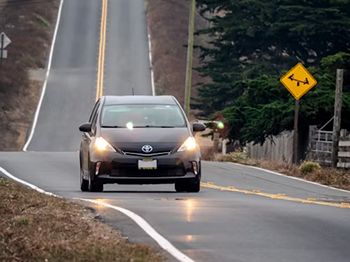
A black car is driving down a curvy road.

Planning a road trip can be exciting, but before you set out on your adventure, it’s important to ensure your vehicle is ready for the journey. At Ken’s Muffler & Brakes, our local mechanics can get your vehicle ready for your voyage. Here are five reasons to have your car inspected before you hit the road.


Catch Small Problems Before They Become Big Ones

Your vehicle might seem to be running fine, but underlying issues can go unnoticed until they become serious. The mechanic can identify potential trouble areas such as worn brake pads, low fluid levels, or minor leaks. By fixing these problems ahead of time, you can avoid being stranded on the side of the road and reduce the risk of facing expensive emergency repairs.


Ensure Your Tires Are Road-Ready

Tires are critical to your car’s performance and safety, especially on long drives. A professional inspection includes checking tire pressure, tread depth, and overall condition. Worn or underinflated tires can increase your chances of a blowout, reduce fuel-efficiency, and compromise your handling in wet conditions. 


Verify the Reliability of Critical Systems

Long drives put added stress on your engine, brakes, and cooling system. The mechanic can inspect these essential components to ensure they are functioning properly. The last thing you want is to deal with a breakdown in an unfamiliar area far from help. Knowing your vehicle is in good working condition allows you to travel confidently, no matter the distance.


Make Sure Lights and Wipers Are Fully Functional

Visibility is vital for safe driving, especially if your trip involves night travel or unpredictable weather. During an inspection, your mechanic can test headlights, brake lights, turn signals, and windshield wipers. Replacing a burnt-out bulb or a streaky wiper blade might seem minor, but these small updates can make a big difference when you’re out on the open road.


Improve Fuel-Efficiency and Performance

An inspection often includes checking filters, spark plugs, and fluid levels, all of which contribute to your vehicle’s overall efficiency. A well-tuned car performs better and uses fuel more efficiently, saving you money at the pump over the course of your trip. 


Auto Maintenance in Dallas, TX

For auto maintenance in Dallas and the surrounding area, contact Ken’s Muffler & Brakes at 214-308-2320. Feel free to give us a call to make an appointment!
by Ken’s Muffler & Brakes • 12 October 2026
A healthy braking system is essential for maintaining control and stopping safely in everyday traffic and emergency situations. Because brake components experience constant friction and wear, problems can develop gradually before becoming obvious. Understanding common brake repair questions can help you recognize warning signs and know when professional service is necessary. At Ken’s Muffler & Brakes, our local mechanics are happy to answer your questions about brake repair in the greater Dallas area. How Do I Know If My Brakes Need Repair? Several warning signs can indicate brake trouble. Squealing or grinding noises, a soft or spongy brake pedal, vibrations while braking, or a vehicle that pulls to one side should all receive professional attention. A brake warning light can also indicate a problem. Even if your vehicle still stops reasonably well, unusual changes in braking performance should not be ignored. What Causes Brakes to Make Noise? Brake noises can have several causes. A high-pitched squeal may indicate worn brake pads, while grinding can mean the friction material has worn away and metal components are contacting each other, potentially damaging rotors. Professional inspection can determine the source of the noise. Why Does My Brake Pedal Feel Soft? A brake pedal that feels soft or spongy can indicate a problem with the hydraulic braking system. Air in the brake lines, low brake fluid, or a fluid leak are some issues that may affect pedal feel. Because these issues can significantly reduce braking performance, a soft pedal should be inspected promptly. A brake fluid leak poses a major safety risk and means it’ll be best to get towed to the shop. Should I Drive With Suspected Brake Problems? Driving with suspected brake problems can be dangerous, particularly when braking performance has noticeably changed. Continuing to drive may worsen the underlying problem and potentially compromise your ability to stop safely. Where Can I Get Brake Repair in Dallas, TX? For expert brake repair in Dallas and the surrounding area, contact Ken’s Muffler & Brakes at  214-308-2320  . Feel free to give us a call to make an appointment for car care in greater Dallas!
by Ken’s Muffler & Brakes • 14 September 2026
An overheating engine is a problem that should never be ignored. Your vehicle's cooling system is designed to keep engine temperatures within a safe range, but a failure in one of its components can cause heat to build rapidly. Continuing to drive while the engine is overheating can result in serious damage, including problems with the head gasket, cylinder head, or other internal components. Understanding common causes of overheating can help you recognize trouble and seek repairs promptly. At Ken’s Muffler & Brakes, we provide expert cooling system repair in the greater Dallas area. Here are four problems that often lead to an overheating vehicle. Radiator Issues The radiator releases heat from the coolant before the fluid returns to the engine. A radiator that is clogged, damaged, or leaking may not be able to dissipate heat effectively. External debris can also restrict airflow through the radiator, reducing its ability to cool the engine. Radiator problems may become particularly noticeable during heavy traffic. Low Coolant Levels Coolant is responsible for absorbing heat from the engine and carrying it to the radiator. If the coolant level becomes too low, the cooling system may not be able to remove enough heat. Low coolant can result from leaks involving hoses, the radiator, water pump, or other components. If you repeatedly need to add coolant, don't simply continue topping it off. Have the cooling system inspected to identify and repair the source of the coolant loss. Thermostat Failure The thermostat regulates coolant flow between the engine and radiator. When the engine reaches its normal operating temperature, the thermostat opens to allow coolant to circulate through the radiator. If it becomes stuck closed or otherwise malfunctions, coolant circulation can be restricted, causing temperatures to rise. Water Pump Problems The water pump circulates coolant throughout the engine and cooling system. A worn or damaged pump may not move coolant effectively, allowing excessive heat to build up. Water pumps can also develop leaks or problems with their internal components. Unusual noises, coolant loss, and overheating can all indicate a potential water pump issue. Prompt professional diagnosis can help determine whether the pump needs to be replaced. Cooling System Repair in Dallas, TX For expert auto repair in Dallas and the surrounding area, contact Ken’s Muffler & Brakes at  214-308-2320  . Feel free to give us a call to schedule an appointment !
Show More →